How to Care for a Stone Bowl and Preserve Its Natural Beauty
A stone bowl is more than a functional object—it is a sculptural piece shaped by nature and refined through craftsmanship. Proper care is essential to maintaining its color, texture, and integrity over time. By understanding the material and adopting gentle maintenance habits, you can ensure your stone bowl remains as striking as the day it entered your home.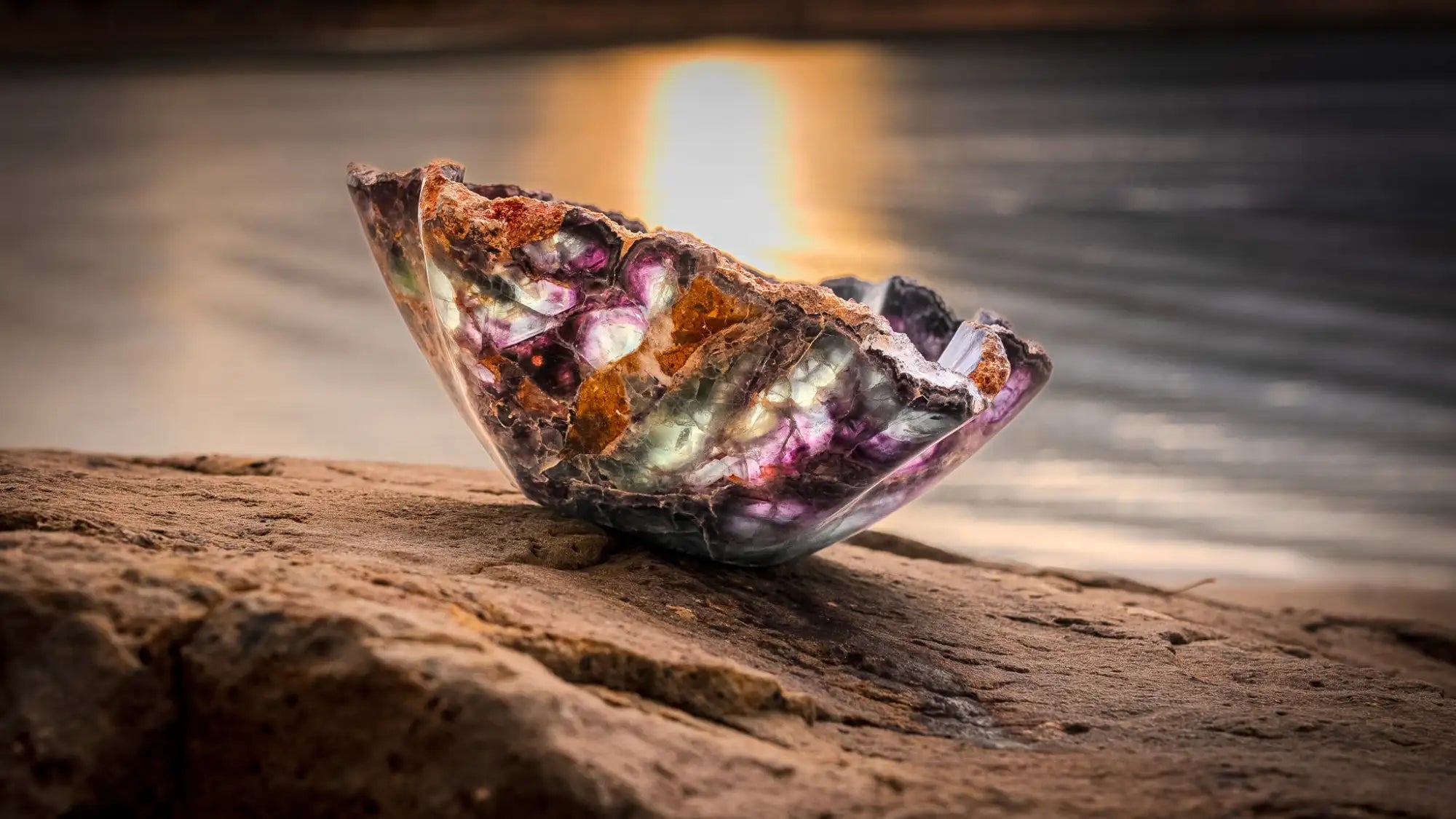
Know the Stone You’re Caring For
Every stone has its own characteristics, and proper care begins with understanding the material. Marble, onyx, and soapstone are more porous and sensitive, while granite is denser and more resistant. Porous stones can absorb liquids and react to acids, making them more vulnerable to staining and surface damage.
Recognizing these differences allows you to care for your stone bowl intentionally—protecting it from unnecessary wear while preserving its natural elegance.
Clean Gently and Consistently
Routine cleaning is the most important step in stone care. Use a soft cloth with warm water and a mild, stone-safe soap. After cleaning, dry the surface completely to prevent moisture from settling into the stone.
Avoid harsh household cleaners. Products such as bleach, vinegar, ammonia, or acidic sprays can permanently damage natural stone. These substances break down the stone’s surface, causing etching, dull spots, discoloration, and loss of polish. Even brief exposure can leave lasting marks—especially on marble and onyx.
For deeper maintenance, occasional use of a stone-specific cleaner or polish is recommended. These products are designed to clean without stripping the stone’s natural oils or finish.
Protect from Heat and Temperature Shock
Natural stone is sensitive to sudden temperature changes. Placing extremely hot or cold items directly in or on a stone bowl can cause cracking, discoloration, or structural stress.
Always use liners, placemats, or insulation when necessary, and avoid placing stone bowls in environments with extreme or rapid temperature fluctuations. Stable conditions help preserve both the stone’s strength and appearance.
Seal When Appropriate
Many stone bowls benefit from sealing, especially those made from porous materials. A proper sealant creates a protective barrier that helps resist moisture absorption and staining.
Sealing is not permanent and may need to be reapplied over time depending on use. Always select a sealant specifically designed for your stone type to ensure compatibility and effectiveness.
Handle with Intention
Stone bowls often carry substantial weight, yet their edges and surfaces can still be vulnerable. When moving or cleaning, support the bowl evenly with both hands and avoid placing stress on a single point.
Avoid sliding stone bowls across hard surfaces, as this can damage both the bowl and the surface beneath it. Thoughtful handling preserves the craftsmanship and prevents unnecessary damage.
Preserve a Piece Meant to Last
Caring for a stone bowl is an act of preservation—protecting a natural material shaped over thousands of years. With gentle cleaning, mindful handling, and avoidance of harsh chemicals, your stone bowl will continue to enrich your home with timeless beauty and authenticity.
When treated with care, stone does not age poorly—it develops character, depth, and presence, becoming an enduring part of your living space.